

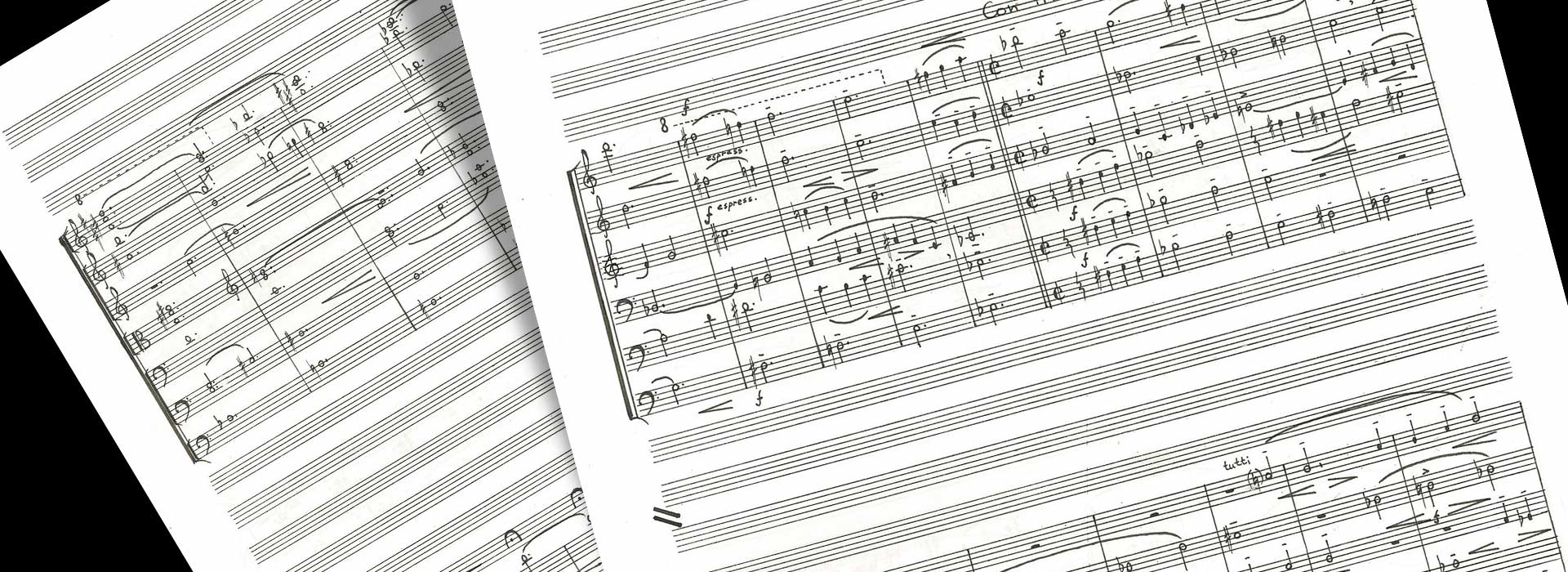
Concerto for Violin and orchestra №2 (2023) OP.114


Second Violin Concerto by Uri Brener (2023) OP.114
This concerto can be heard as a vivid musical journey in three acts, where lyric confession, struggle, and mercurial play are held together by a strong dramatic logic. The violin emerges as a narrator whose voice moves freely between intimacy, heroism, and mischievous irony.
First movement
The concerto opens unusually, with a solo cadenza that appears almost before the piece has begun, as if the violin were thinking aloud in a private, introspective monologue. This fragile, searching voice is then abruptly confronted by a powerful orchestral entrance, whose sheer force seems to negate the introverted character of the opening and to widen the emotional space to its extreme limits. Out of this clash, the movement’s discourse unfolds as a constant oscillation between the very lyrical and intimate on one side, and the massive, overwhelming orchestral gestures on the other. The listener is drawn into a drama where tenderness and grandeur coexist and repeatedly collide, defining the movement’s expressive “diapason”.
Second movement
The second movement turns toward a stylized baroque world, cast in the form of a passacaglia whose recurring rhythmic patterns and harmonic structures anchors the music in a sense of inevitability. Over this firm foundation, the soloist’s line grows ever more heroic and ultimately tragic in character, as if struggling against an implacable fate. The music gradually fights its way toward a radiant high point in the major mode, a hard-won, triumphant culmination that feels less like an easy resolution and more like victory wrested from adversity.
Third movement
Marked Allegro giocoso, the Finale at first appears as a brilliant play of colors and rhythms, full of wit, quicksilver changes, and even a touch of biting sarcasm. Beneath the buoyant surface, however, lies a more complex emotional landscape: the central section reintroduces the lyrical world of the first movement, allowing its introspective tone to return with renewed intensity. As the movement progresses, the seemingly carefree dance increasingly acquires “demonic” overtones, and the interplay of light and darkness becomes ever more intricate. The dazzling virtuosity of the closing pages does not provide a conventional happy end; instead, an ecstatic repetition of the final tonic D major chord provides a sense of almost frenetic trance, a wild celebration which could be either blissful or infernal.